

Do you have constant fatigue and feel tired?
BDNF Complex™ contains five nootropics selected for cognitive performance, mental energy and pathways connected with neuroplasticity.
Three main benefits
What BDNF Complex™ is designed to support
Memory And Cognitive Performance
Brain Energy And Neuroplasticity Pathways
Vegan & Vegetarian Friendly Only Active Ingredients No Sugar or Sweeteners
Formula featured in this guide
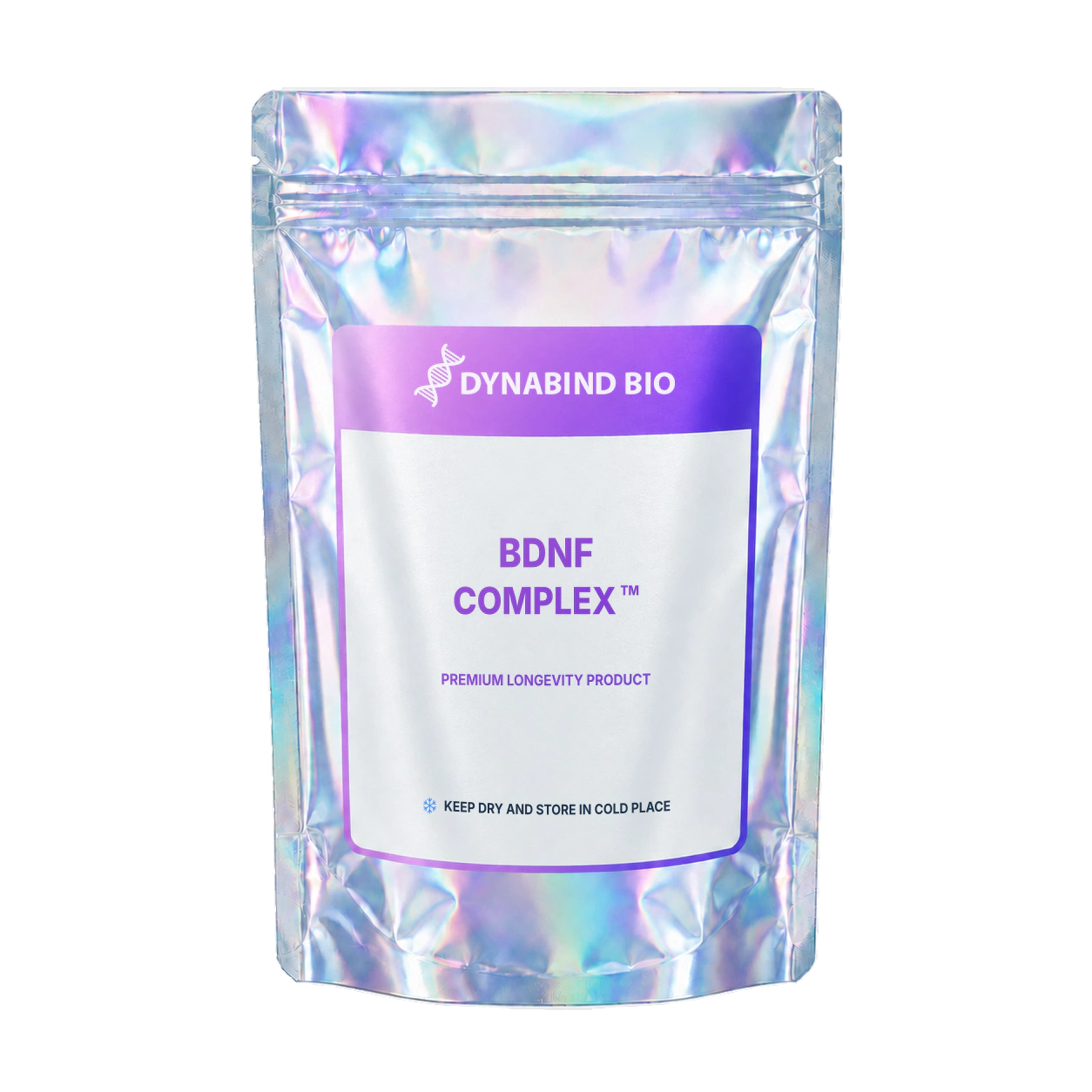
BDNF Complex™
BDNF Complex™ combines Deazaflavin, CDP-Choline, PQQ, CO-Q10 and Pterostilbene for research on focus, memory, neural energy and neuroplasticity pathways.
Review the full ingredient identity, formula specifications, storage guidance and purchase options on the canonical DynaBind product page.
BUY BDNF COMPLEX™Every active compound in BDNF Complex™ is connected to published research. Relevant human clinical trials are highlighted where available, with direct links to the papers.
✓Research Papers Available✓Clinical Trials Available
Why this formula was created
When brain fog makes simple work feel harder
Brain fog can make it harder to follow a conversation, finish a report or stay focused through the afternoon. BDNF Complex™ brings five researched compounds together in one straightforward formula for focus, clear thinking and mental energy.
The DynaBind Bio Research Team selected Deazaflavin, CDP-Choline, PQQ, CO-Q10 and Pterostilbene. Human ingredient trials explore memory and cognitive performance, while in vitro and preclinical research explores neuronal connections, antioxidant signalling and neuroplasticity pathways.
This guide covers BDNF supplements, nootropics for neurogenesis, cognitive support supplements, brain energy supplements and supplements for focus, memory, brain fog and mental clarity. The papers below are grouped by compound so the research is easy to inspect.
Focused formulation
Why focused nootropics can be easier to evaluate
A serious cognitive formula should do more than combine poorly absorbed vitamins and familiar ingredients. Every compound should have a clear purpose and research that relates to its actual form.
Cognitive performance uses connected systems
CDP-Choline contributes to membrane and acetylcholine pathways, PQQ has human memory research, and CO-Q10 connects with mitochondrial energy transfer. Related Deazaflavin derivative research examines neuronal connections in vitro, while Pterostilbene adds preclinical cognitive and antioxidant-signalling research.
Five focused compounds keep the formula readable
A concise formula makes it easier to understand what each active contributes and to compare the supplied form with the research paper.
Mental energy belongs in a cognitive strategy
Attention and memory are difficult to sustain when brain energy is low. The formula therefore combines compounds chosen for cognition with support for mitochondrial energy.
Neurogenesis claims require precision
The formula is connected with research on BDNF signalling and neuroplasticity, but studies of the individual ingredients do not prove that the complete product creates new neurons or treats cognitive disease.
Available research papers and clinical trials
Research behind the selected compounds
Each compound is listed once, followed by its research paper titles and direct links. Study types remain visible so human, preclinical and mechanistic findings are not blended together.
Deazaflavin
- Neuronal branching and connectionsIn vitro derivative research
A related 5-deazaflavin derivative increased branching and excitatory synapse counts in cultured hippocampal neurons.
CDP-Choline
- Neuronal membranes and acetylcholine pathwaysRandomized human trial
A 12-week trial in 100 older adults found improvements in episodic and composite memory, both secondary outcomes, with 500 mg/day citicoline.
PQQ
- Memory and cognitive performanceRandomized human trial
A 12-week placebo-controlled study of 20 mg/day PQQ disodium salt reported selected memory improvements. Age-stratified analyses also explored cognitive flexibility and processing speed.
CO-Q10
- Mitochondrial electron transport and fatigueMeta-analysis of randomized trials
A meta-analysis of 13 trials found lower pooled fatigue scores with CoQ10. This supports the fatigue-research context, rather than a claim of demonstrated neurogenesis.
Pterostilbene
- Cognitive and Nrf2 antioxidant pathwaysIn vitro and preclinical research
Research on cognitive impairment linked Pterostilbene with memory-related measures and Nrf2 antioxidant signalling. Cell experiments examined the antioxidant mechanism.
Responsible use
Know when a symptom needs assessment
Seek urgent medical care for sudden confusion, speech difficulty, severe headache, seizure, fainting or one-sided weakness. Persistent or worsening memory and concentration changes require professional assessment.
Use the linked research papers as product context and seek qualified medical assessment when symptoms are persistent, sudden or worsening.
Frequently asked questions
BDNF Complex™ FAQ
What is BDNF Complex™ designed to support?
BDNF Complex™ combines five compounds researched across neuronal membranes, acetylcholine pathways, brain energy, attention, cerebral blood flow and neuroplasticity.
Which BDNF Complex™ ingredients have human cognitive research?
CDP-Choline and PQQ have randomized human cognitive trials. A related Deazaflavin derivative has in vitro neuronal research, Pterostilbene has cognitive and antioxidant-pathway research, and CO-Q10 contributes human fatigue-research context.
Why combine five cognitive compounds?
Each active has a distinct role in research on memory, focus, mental clarity, brain energy and neuroplasticity.
Has the complete BDNF Complex™ formula been clinically tested?
The available papers examine individual ingredients and related pathways. They explain why the ingredients were selected but do not represent a separate trial of the complete formula.
DynaBind Bio publishes this page and sells the linked product. The cited papers evaluate individual compounds or related formulations; the complete formula has not been evaluated in a separate clinical trial.
Products are sold as adult dietary supplement ingredients where permitted. They are not intended to diagnose, treat, cure, or prevent disease. Customers are responsible for checking local import, use, and resale rules before purchase. Consult a qualified healthcare professional before using any supplement. Statements on this website have not been evaluated by the US Food and Drug Administration or any other regulatory authority. DynaBind Bio products are not medicines and are not a substitute for professional medical advice. Consult a qualified professional before using any supplement ingredient, especially if pregnant, nursing, taking medication, or managing a medical condition.